Description
Schussler’s salt No. 6span>
Kalium Sulfuricum D6 (Kali Sulfate) Potassium Sulfate
Keyword: abundant formation of purulent discharge
Kinship: epidermis, mucous membranes, intercellular fluid.
The composition of the trituration: Potassium sulfate, pharmacopoeial lactose.
Tablet composition: Potassium sulfate, pharmacopoeial lactose, magnesium stearate, aerosil A.
Form of release:
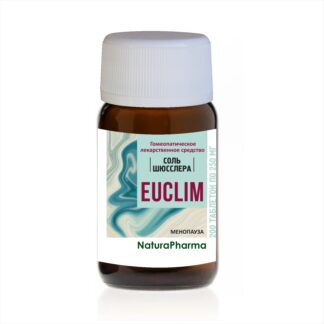
a bottle of dark glass 200 tablets
dark glass bottle of 80 tablets
a dark glass bottle with a measuring spoon of 20 g trituration (equivalent to 80 tablets)
Potassium sulfate is a functional agent of the epidermis and epithelium. Deficiency of this cellular salt causes yellow, mucous plaque on the tongue, mucous membranes, liquid or distinctly yellow or green watery secretion of any mucosa, desquamation of the epithelium. The yellow tint occurs due to the processes of fatty degeneration of inflammatory products. Epidermal and epithelial cells, poorly supplied with oxygen, separate and exfoliate. Participates in pigmentation of tissues.
Participates in oxygen transport. Potassium sulfate is an oxygen carrier inside the cell, and sulforic ions strengthen the secondary protein structure of proteins, which determines the respiratory chain of mitochondria and oxygen saturation of tissues. It cleanses the cytoplasm of cells, normalizes the structure of intracellular proteins, the respiratory chain and supports the glutathione system. Salt is deeply linked to the body’s allergic reactivity.
When salt is deficient, fatigue, dizziness, chills, fear, melancholy, toothache and headache, and migrating pains in the extremities are noted. Potassium sulfate is used in the third stage of inflammation, in which the fibrinous secretion is replaced by purulent, abundant, yellow or yellow-greenish. It is used for chronic purulent diseases of the mucous membranes of the nose, ear, throat, bronchi, conjunctiva. It is also prescribed for desquamous eczema and in case of problematic hair.
IT IS NOT A DIETARY SUPPLEMENT
IT IS NOT A MEDICINAL PRODUCT
Indications:
- Purulent inflammations of various nature
- Chronic purulent catarrh of the mucous membranes of the nose, ear, throat, bronchi, conjunctiva, stomach, intestines
- Albuminuria
- Violation of skin exfoliation (desquamation) processes
- Night cough
- Suffocation, bronchial asthma
- Allergic diseases
- Shooting pains
- Yellow mucous discharge
- Abundant desquamation of the epithelium
- Night fever
- Fever, when it is necessary to induce sweating
- Diseases caused by suppression of rashes
- Seborrhea of the scalp
Special instructions: Frequent use is indicated in febrile conditions. External use is recommended for diseases of the skin and scalp.
Dosing
The dose and frequency of administration depending on age are shown in the tables.
|
Chronic situations |
Acute situation |
| Age |
Dose |
Reception frequency |
Dose |
Reception frequency |
| Infants |
1 tab each. |
1-2 times a day |
By ½ tab. |
Every 30-60 minutes |
| Children 2-8 years old |
1 tab each. |
2-3 times a day |
1 tab each. |
Every 15-30 minutes |
| Children 8-14 years old |
1 tab each. |
3 times a day |
1 tab each. |
Every 15-30 minutes |
| Teenagers |
2 tables each. |
3 times a day |
1 tab each. |
Every 5-15 minutes |
| Adults |
2 tables each. |
3 times a day |
1 tab each. |
Every 5-15 minutes |
*In the indicated doses, take from 30 minutes to several hours from the start of administration, but not more than a day.
Schussler’s salt No. 6span>
Several methods of taking Schussler salts are proposed:
- Tissue salts can be taken in dry form – the tablets dissolve in the mouth or directly under the tongue.
- The tablets are dissolved in a small amount of water (120-150 ml), intensively mixed. Take small sips, holding each portion in your mouth for a few seconds.
- Dissolved Schussler salts can be used as external therapy – as lotions, compresses, general and local baths, rinses.
It is recommended to take salt 20-30 minutes before meals or an hour and a half or more after eating and brushing your teeth.
For children under one year of age, salt should be dissolved in a small amount of water – about 20-30 ml, drunk with a teaspoon, pipette, drinking syringe or added to drinking water.
If two or more salts are prescribed, they can be taken simultaneously, but preferably not together. For example, take one salt in the morning and another in the evening. If three salts are prescribed, break them up separately: morning, lunch, evening. Another option is to alternate the use of salts for weeks or days. In any case, with prolonged use of salts, it is worth taking breaks. You can choose the following intake scheme: take salt on working days from Monday to Friday, and take a break on weekends. Or take it for three weeks every month.